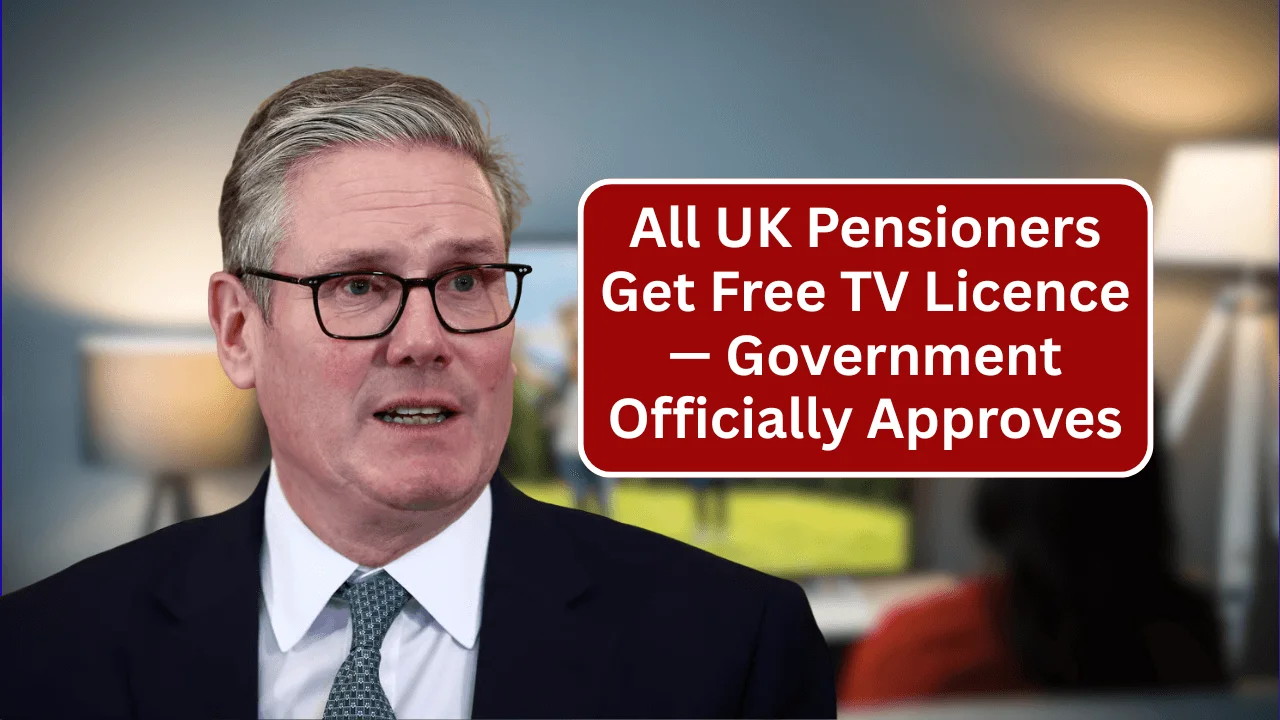
The UK government has officially confirmed a major relief for older citizens by announcing a free TV licence for all pensioners. This decision has been welcomed across the country, especially at a time when the cost of living continues to put pressure on household budgets. Television remains an important source of news, entertainment, and companionship for many older people, and this move ensures that pensioners can continue to access these services without financial stress.
A TV licence is required in the UK to watch or stream live television or to use BBC iPlayer. Until now, the rules around free licences for pensioners were limited and sometimes confusing. With this confirmation, the government aims to bring clarity and fairness, making sure no eligible pensioner is left uncertain about their rights.
What the Free TV Licence Means
A free TV licence allows pensioners to legally watch live TV channels and BBC iPlayer without paying the annual licence fee. Currently, the standard TV licence costs over £150 per year, which can be a significant expense for people living on a fixed income. Removing this cost offers direct financial relief and peace of mind.
For many pensioners, television is more than entertainment. It is a way to stay connected with the world, follow current affairs, and enjoy programmes that bring comfort and routine. The free licence ensures uninterrupted access to these benefits.
Who Is Eligible for the Free Licence
According to the confirmed announcement, all UK pensioners will be eligible for a free TV licence. This includes individuals who have reached the State Pension age and are permanent residents of the United Kingdom. The government’s aim is to make the process simple and inclusive so that no pensioner has to struggle with complicated eligibility checks.
Previously, free licences were mainly linked to those receiving Pension Credit, which meant many older people just above the threshold were excluded. The new confirmation removes that gap and creates a more universal approach for pensioners.
How Pensioners Can Apply
The application process for the free TV licence is expected to be straightforward. Pensioners will be able to apply online, by phone, or through a postal application if they prefer traditional methods. The government has stated that support will be available for those who are not comfortable with digital services.
Applicants will usually need to provide basic details such as age, address, and National Insurance information to confirm pensioner status. Once approved, the free licence will cover the household where the pensioner lives.
When the New Rule Takes Effect
The government has confirmed that the free TV licence policy will come into effect nationwide within the current financial year. Existing pensioners who already hold a paid licence may be eligible for a refund or automatic conversion to a free licence, depending on individual circumstances.
Clear communication is expected from TV Licensing to ensure pensioners understand when and how the changes apply to them. This phased approach is designed to avoid confusion and ensure a smooth transition.
Why the Government Took This Step
This decision reflects growing concern about the financial challenges faced by older citizens. Rising energy bills, food costs, and healthcare expenses have made it harder for pensioners to manage on fixed incomes. By removing the TV licence fee, the government is offering targeted support that directly benefits daily life.
The policy also recognises the role of television in reducing loneliness and isolation among older people. Access to TV and news helps pensioners stay informed and connected, which is important for mental and emotional wellbeing.
Impact on Pensioners’ Daily Lives
For many pensioners, saving over £150 a year can make a real difference. That money can be redirected towards essentials such as heating, groceries, or transport. The free TV licence may seem small in isolation, but combined with other support measures, it adds meaningful relief.
Beyond financial savings, the reassurance of not facing penalties or letters from TV Licensing brings peace of mind. Pensioners can enjoy their favourite programmes without worrying about compliance or unexpected costs.
What This Means for Households
In households where a pensioner lives with family members, the free TV licence will generally cover the entire household, as long as the pensioner is the primary resident. This means families caring for older relatives may also benefit from reduced household expenses.
However, it is important to check individual circumstances, as rules may vary depending on living arrangements. Official guidance will provide clarity for shared or multi-generational homes.
Common Questions and Concerns
Many pensioners may wonder whether they need to reapply each year. The government has indicated that once approved, the free licence will remain valid as long as the individual continues to meet the pensioner criteria. Regular checks may still take place to ensure records are up to date.
Another concern is scams. Pensioners are advised to be cautious of unsolicited calls or messages asking for payment or personal details. Official communication will clearly state that the licence is free and will not require bank details for payment.
Looking Ahead
The confirmation of a free TV licence for all UK pensioners marks a positive step in supporting older citizens. It simplifies previous rules, removes financial barriers, and acknowledges the importance of television in everyday life.
As further details and official guidance are released, pensioners are encouraged to stay informed through trusted sources. This policy is expected to bring long-term benefits, ensuring that pensioners across the UK can enjoy television without added financial pressure.
In summary, the free TV licence offers both practical and emotional value. It reduces costs, supports wellbeing, and sends a clear message that the contribution of older people to society is recognised and respected.